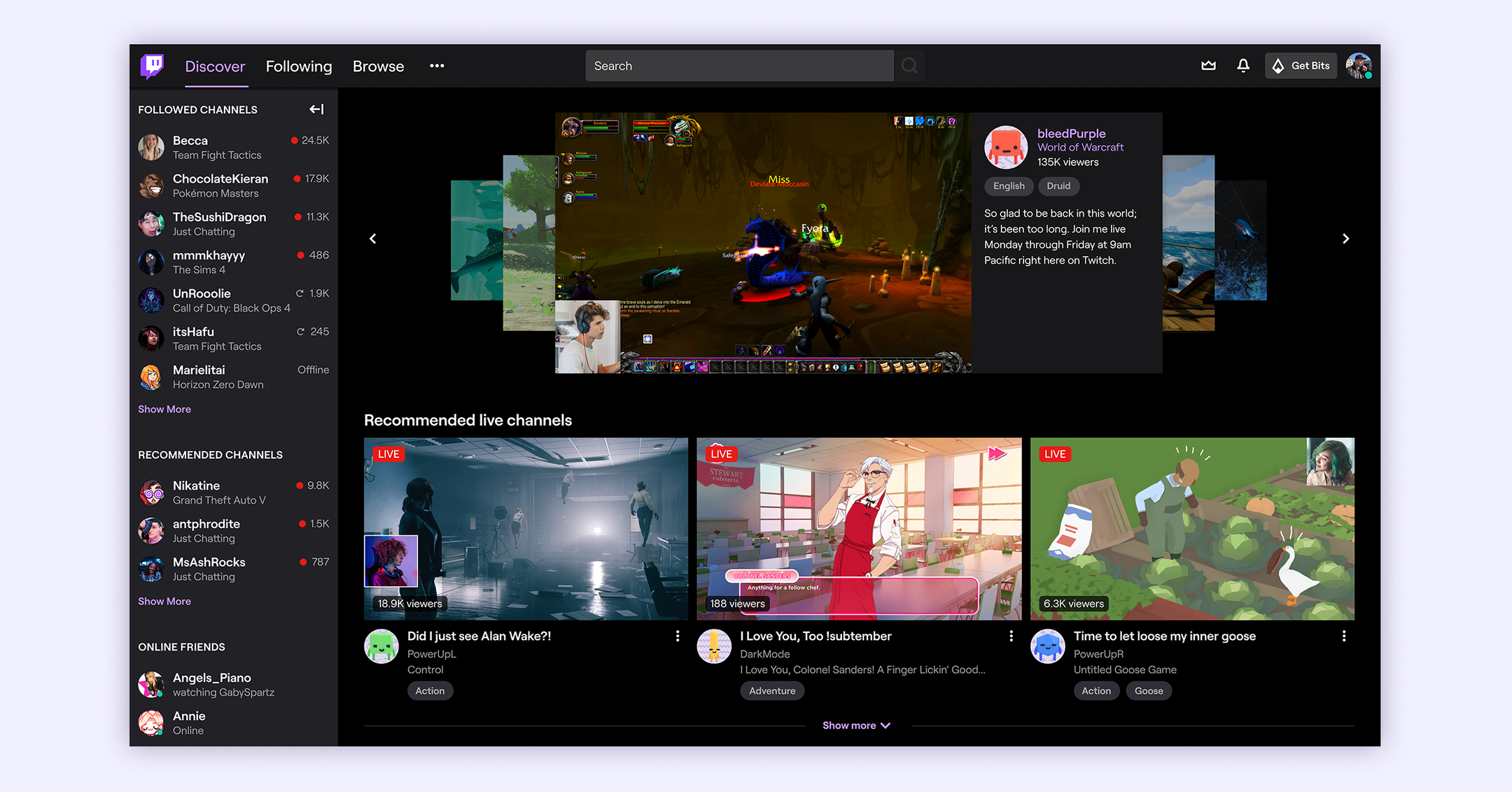
The platform Twitch has become one of the top platforms for live streams, offering players, artists, and content makers an interactive way to engage with their audience. As a viewer or a creator, you might want to capture those moments that strike a chord with you or showcase your skills. Whether it is an intense gameplay session, an informative discussion, or a creative performance, knowing how to record, download, and archive Twitch streams, VODs, clips, and highlights can greatly enhance your experience and help you build your own library of cherished content.
This guide will guide you through various methods for capturing Twitch content effectively across multiple platforms and devices. From desktop recording software to smartphone solutions, we will explore the best ways to save Twitch streams without sacrificing on quality. We will also discuss considerations regarding storage and organization, ensuring that you can easily organize your recordings. With StreamRecorder powerful and techniques, you can preserve your favorite moments on Twitch while exploring strategies for channel growth and content creator monetization.
Capturing Twitch Streams
Capturing Twitch streams permits content creators to archive their live broadcasts for future viewers and improve their stream's reach. By capturing your streams, you can make VODs, highlights, and snippets that engage your audience even when you're not live. This approach is important for broadcasters who want to highlight their best moments and offer value to their viewers.
To effectively record your Twitch streams, you need the best equipment. A lot of content creators utilize programs like OBS Studio or XSplit Broadcaster, which offer superior recording options with flexible settings. These tools can take your games along with your camera and audio, ensuring that both video and audio quality meet your expectations. It's also vital to modify the video quality and bitrate according to your connection to avoid lag or stuttering during the stream.
For those who choose a more straightforward solution, there are web-based capture tools that allow you to start capturing your streams with minimal setup. These can be particularly convenient for mobile Twitch recording, where simplicity is critical. Regardless of the way you decide on, ensure that you are cognizant of legalities and fair use guidelines to adhere with Twitch's guidelines while keeping your broadcasts.
Capturing and Storing Video on Demand
To capture Twitch VODs effectively, it's crucial to understand the various methods available for downloading these videos. Twitch enables streamers to automatically store their broadcasts as VODs, which can be replayed later. You can use broadcasting software like OBS Studio or Twitch's built-in features to record your streams. To retrieve VODs, go to the Video Producer section on your Twitch dashboard, where you’ll locate your saved broadcasts. From there, you can use external tools or platforms designed exclusively for grabbing Twitch content, guaranteeing you have versions saved offline.
When looking to store Twitch VODs, consider the resolution and file format. Most tools offer choices to choose the quality and bitrate of the retrieved file, which is crucial if you want to preserve high video quality. Select a video format that suits your editing and storage needs, commonly MP4 or MKV. Keep in mind that better files will take up more storage space, so plan your storage strategy according to your available resources and future goals.
For those who want to automate the VOD downloading process, some applications enable bulk downloads, enabling you to store multiple VODs at once. This can be particularly beneficial for streamers who regularly upload content and want to make sure they have access to all their broadcasts without manual effort. By scheduling downloads or using browser extensions, you can streamline the process and focus more on producing content, while making sure your past streams are stored for future reference.
Making and Saving Highlights
Producing clips from your streaming broadcasts is an essential way to showcase your greatest moments and distribute them with viewers. To make a highlight, simply go to your broadcast while it's live or access past broadcasts on your channel. Use the highlight icon, usually visible below the video player, and pick the segment you want to feature. Twitch lets clips to be up to 60 seconds long, making it vital to select the most engaging moments that represent the spirit of your content. Once made, these clips can be shared to boost viewer engagement.
Storing your clips ensures that they are kept for later use and enhances your material's reach. To save your clips, you can either fetch them from the Twitch service or use third-party software that assist with downloading Twitch clips on autopilot. Arranging your highlights into a dedicated directory on your device can help streamline your content management process and make it easy to find favorite highlights when necessary. Additionally, think about establishing a duplicate on online servers to keep your clips protected.
Periodically assessing and archiving your highlights not only assists with identifying trends in your content but also adds to efficient profile growth tactics. Engaging highlights can bring in new subscribers and keep current viewers engaged. It is also wise to keep in mind the legal considerations when sharing highlights, as following to fair use rules is important. Spending time in making top-notch clips can greatly improve your Twitch journey and deepen your relationship with your fans.
Content Backup and Management
Properly structuring and backing up your streaming content is crucial for ensuring that your live streams, video on demand, snippets, and highlights remain retrievable for future use. Establishing a systematic approach will not only assist you quickly locate individual recordings but will also enhance your content management process. Start by establishing a specific folder structure on your computer or cloud storage, categorizing your media by year, month, and category of content. This way, you can rapidly access any stream or highlight whenever.
Contemplate using software that automate the backup process for your Twitch streams and VODs. Many desktop recording applications offer features to store your recordings straight to specific folders, while cloud services can instantly sync your files to guarantee they are kept safely off your local device. Assess the storage capacity of your devices and online storage, and make arrangements for regular backups to avoid any potential data losses. It's also advisable to keep multiple copies, especially for high-impact content, to mitigate risks connected to hardware malfunction.
In addition to backing up your content, developing an effective organization system will help you maintain a clear overview of your recorded materials. Use detailed file names that include applicable information such as the stream date, name, and type of content—such as VOD, clip, or highlight. Labeling your files can also enhance searchability. For more complex needs, think about using media management applications that enable enhanced editing features and metadata support. By investing time in archiving and management now, you'll be well-prepared to leverage your streaming content for channel growth and future revenue generation strategies.
Legal Aspects for Preserving Streams
When it comes to recording and archiving Twitch content, comprehending the legal landscape is essential. Content creators must be conscious of copyright laws and the specific provisions of service set by Twitch. Intellectual property protection extends to the video games featured and the music used in streams, which means that unauthorized use of copyrighted material can lead to removal requests or worse. It is imperative to familiarize yourself with Fair Use principles to navigate the use of such content appropriately.
Additionally, always consider the privacy concerns of people featured in your streams. This includes respecting the consent of any guests and audience members who may appear in your recordings. If you plan to store, alter, or share these streams, ensure that you have the necessary permissions. Openness with your audience about how their input to your stream will be used is not only ethical but can help avoid potential legal issues.
Lastly, evaluate the ramifications of charging for your recordings. While it might be tempting to gain revenue from your recorded content, doing so may require additional licenses, especially if third-party content is involved. Taking time to look into the required authorizations and agreements can save you from legal troubles in the future, enabling you to concentrate on developing engaging content for your viewers.